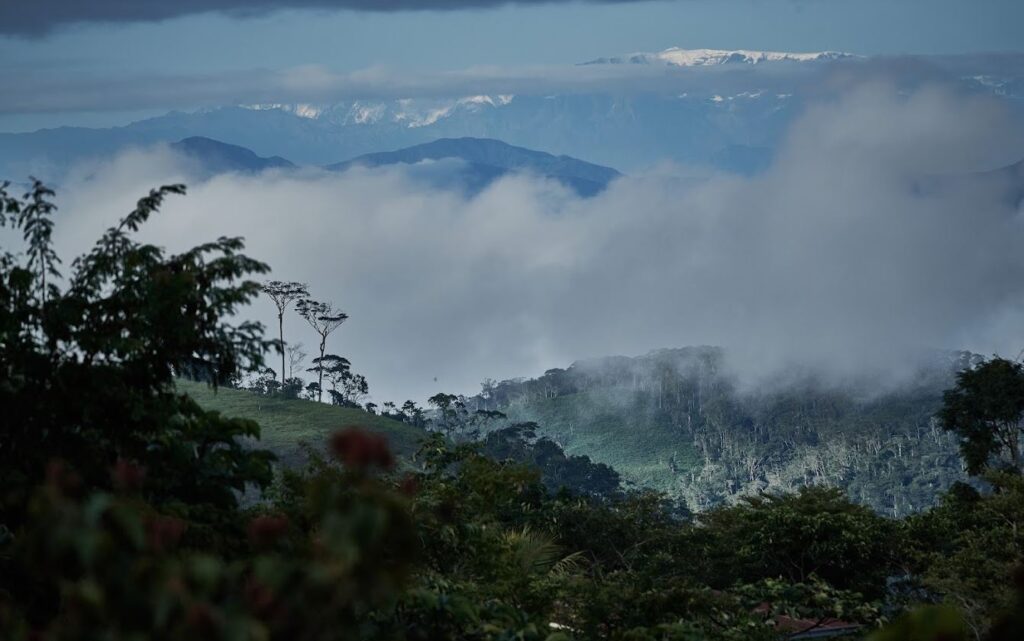
In specialty coffee, we tend to accept a hard truth: green coffee fades.
Over time, sweetness softens. Acidity dulls. Papery, woody flavors creep in. Even under “ideal” storage conditions, most coffees eventually lose the vibrancy they once had.
But in 2022, we began tasting an anomaly in Bolivian coffees that led us to question that whole theory.
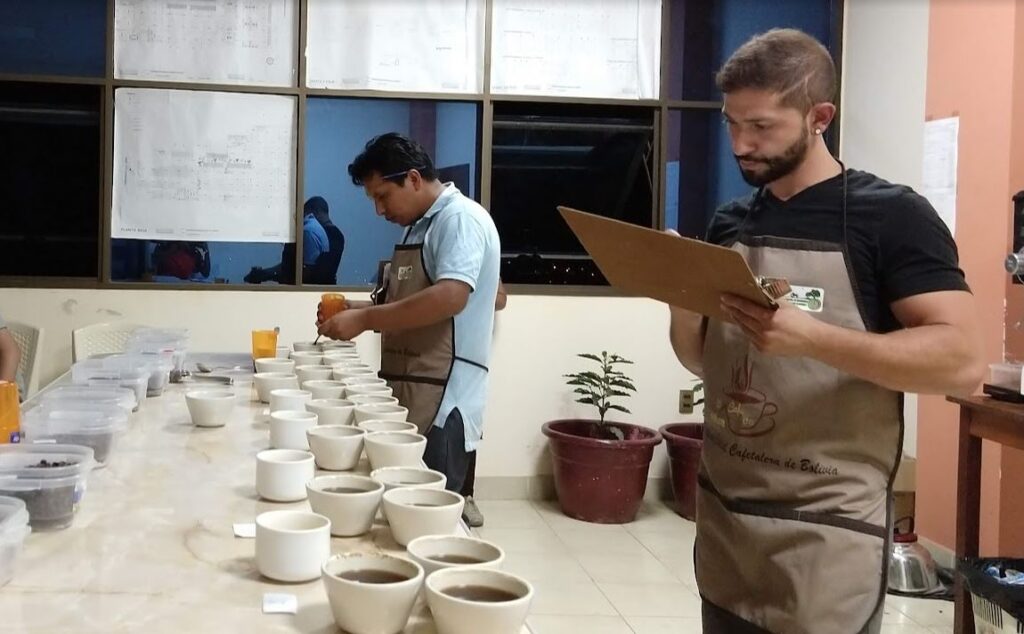
Beginning in 2022, we noticed something unusual on the cupping table. Coffees that were already 18–20 months post-harvest were still tasting remarkably alive — structured, sweet, and clean long after we expected quality decline.
The common denominator wasn’t variety, processing, or packaging. It was something called reposo.
After drying, these extraordinarily preserved coffees had rested in El Alto, Bolivia — a city sitting roughly 4,100 meters above sea level — for six to eight weeks before export. This resting process is known as reposo. The environment in El Alto is cool, stable, low-pressure, and significantly lower in oxygen than sea level conditions. That struck us as…well, odd.
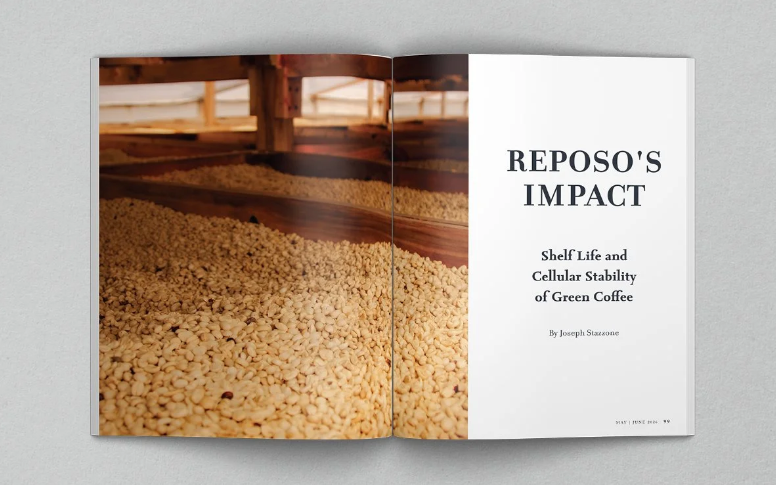
We’re a naturally curious company, and that observation sparked a 3-year research project we’ve just published in the May/June issue of Roast Magazine.
In 2023, Cafe Kreyol partnered with the Wildlife Conservation Society (WCS), North Carolina State University, and the University of Arizona to study whether high-altitude reposo influences how green coffee ages over time.
Using coffees from the same harvest, processing method, and farm (even the very same field), we split the lots into two groups:
- One underwent reposo in El Alto
- One shipped immediately without reposo
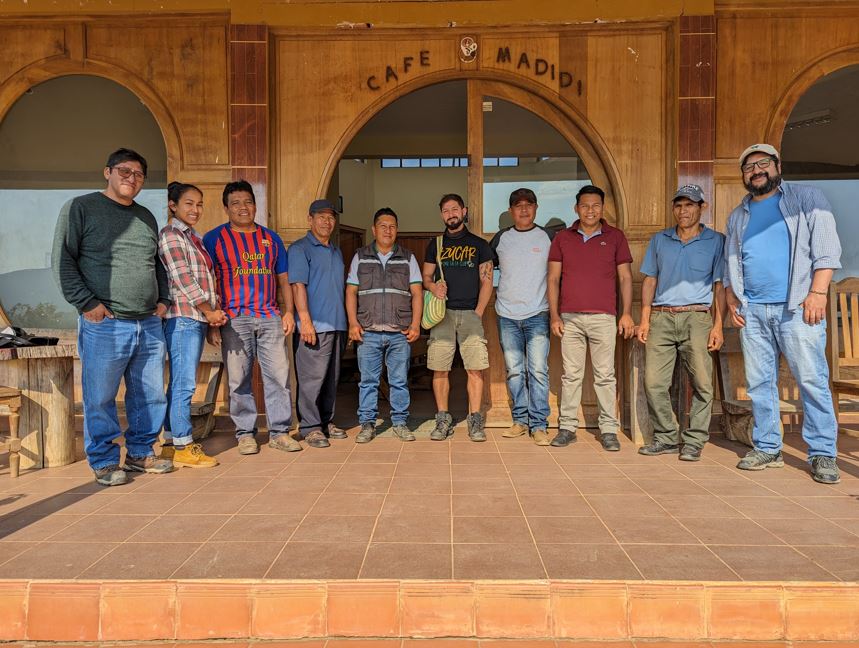
WCS staff, led by Jorge Rojas, managed the lots in El Alto, monitored environmental conditions, and carefully controlled and documented all variables prior to separation and shipment.
Both were later stored under absolutely identical conditions in the United States.
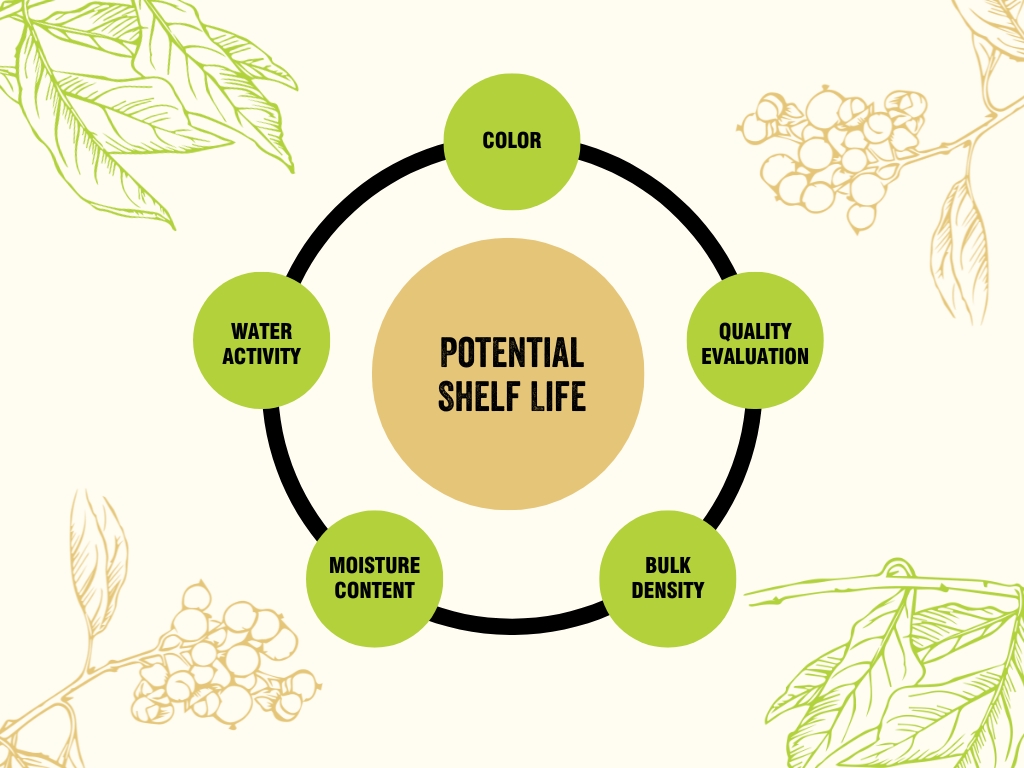
In partnership with North Carolina State University and the University of Arizona, we tracked measurements already widely used and understood throughout the specialty coffee industry:
- Moisture content
- Water activity
- Color
- Density
- Sensory performance over time
What we found was shocking.
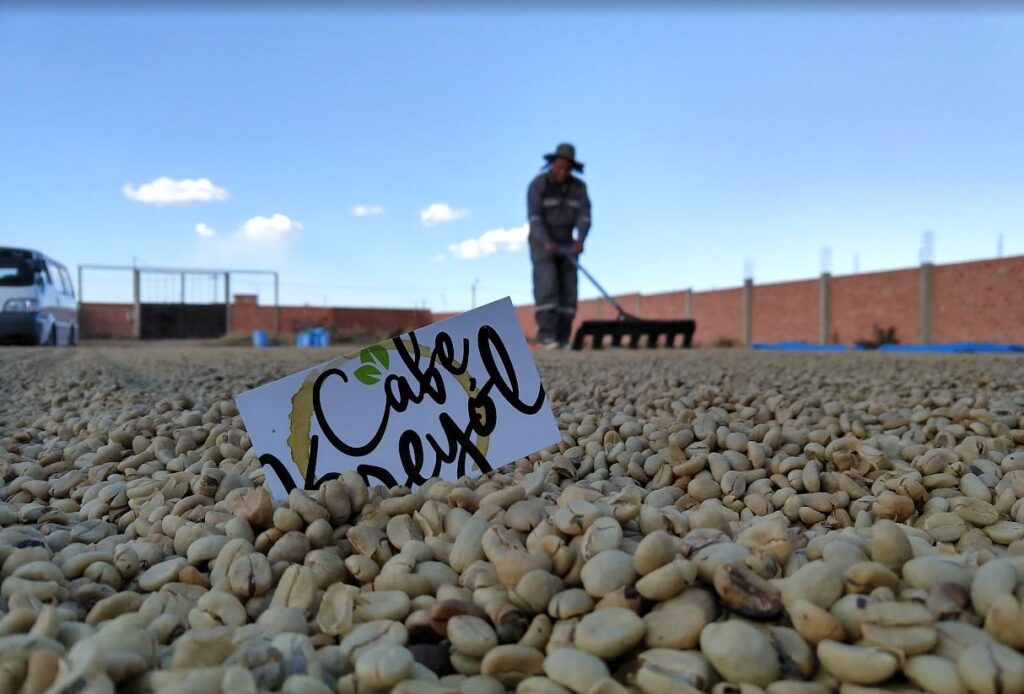
The reposo coffees maintained more stable moisture and water activity levels over time, suggesting reduced environmental stress and slower internal change within the seed itself.
Color analysis also showed the non-reposo coffees aging faster visually, while the reposo lots degraded far more slowly.
But the biggest confirmation came in the cup.
Across multiple evaluations, the reposo coffees consistently retained sweetness, clarity, and acidity longer than their non-reposo counterparts.
Cafe Kreyol Quality Control Manager Brian Majewski put it plainly:
“Even after 18–20 months post-harvest, the reposo lots still presented with a clear malic acidity, and a surprisingly defined caramel sweetness, along with none of the papery notes that we would expect from a coffee of that age.”
In fact, just this month (June 2026), we cupped samples of these now three-year-old coffees. We scored it at 84 points.
No one believed us when we told them these samples were 3 years old.
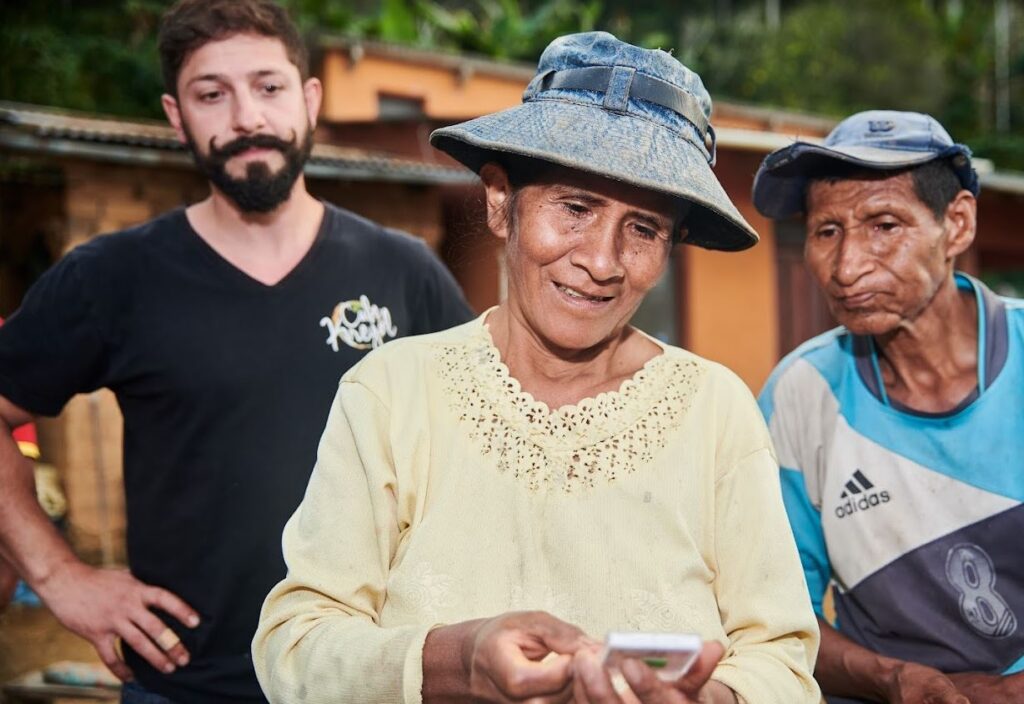
This research does not claim to “solve” coffee shelf life.
But it does point toward something important: green coffee may be far more responsive to its post-harvest environment than we once thought — and high-altitude resting may dramatically extend the shelf-life of the world’s very best specialty coffees.
Because green coffee isn’t static. It’s a living seed.
And how that seed interacts with its environment may shape quality far longer than we realized.
Our passion for knowledge doesn’t stop at research — we’re committed to education, too.
Cafe Kreyol has proudly partnered with Cup of Excellence to create an entirely new Quality Evaluation curriculum from the ground-up that will be debuting in Summer 2026.
We’ve created identifiers and evaluations for several critical new cupping attributes. And most importantly: we are focused on creating a globally understood language of quality evaluation that will enable industry-wide communication between producers, buyers, roasters, and evaluators.
Coffee is a truly global industry; that’s what makes it special. And Cafe Kreyol is committed to creating educational curriculums that respect, honor, and proclaim that truth.
Explore Cafe Kreyol Award Winning Coffees
Joseph Stazzone, founder, Cafe Kreyol